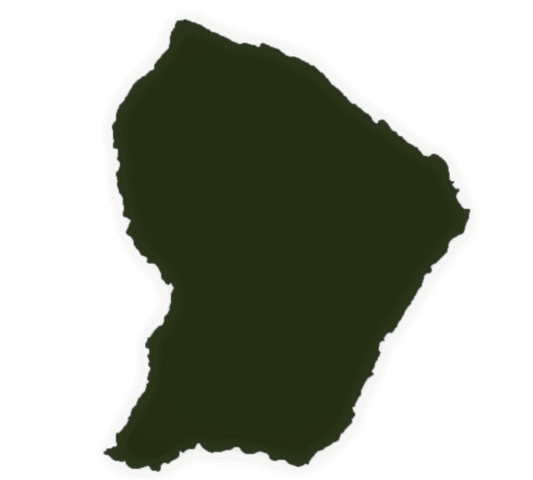

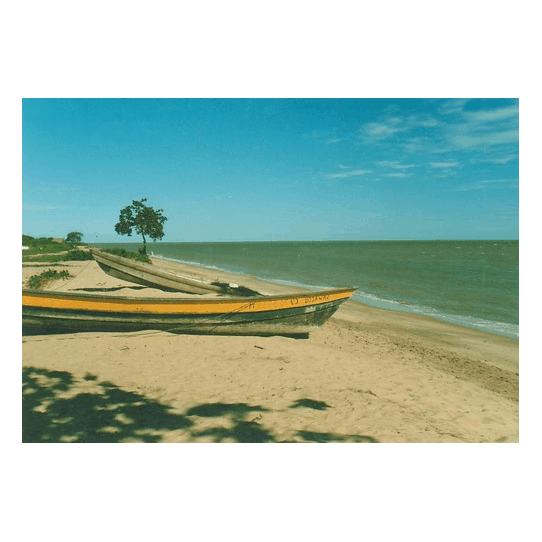

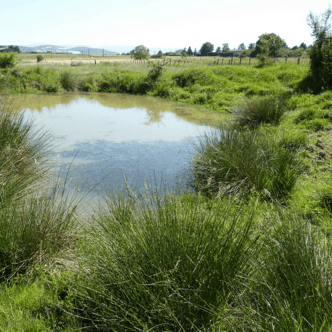
This article examines the utility of particular bird species and guilds as bioindicators in a complex habitat mosaic, namely that of the tropical city of Cayenne (French Guyana).
For this purpose, an urbanization gradient was divided up into nine classes based on 576 standard bird counts (using the point-count method) conducted in and around Cayenne between 1992 and 1995. Each point-count location was characterized by 10 habitat variables.
A multiple correspondence analysis of this data set, followed by a cluster analysis, was used to establish a classification of eight habitats, according to level of anthropogenic disturbance and diversity of vegetation.
13667 birds, belonging to 136 species, were recorded. A co-inertia analysis linking the point-counts and the 72 most common bird species and the urban–rural gradient classes showed that the bird populations were distributed along an anthropogenic gradient extending fromsecond-growth forest to the old city center.
The bird species fell into 11 trophic guilds. Six of these guilds, which had a high relative density or were homogenous in distribution, were not used in the characterization of the habitats. The large differences in relative density among the five other guilds allowed them to serve as habitat indicators.
The eight dominant species were wide-ranging, and could not be used as biological markers. The co-inertia analysis brought out associations with some habitats of 64 other species. Each omnivorous marker was specific of an anthropogenic step in the gradient, while each insectivorous marker was associated with an increased diversity in vegetation structure.
With an investment of just 10 sampling points, it was possible to characterize these habitats using a combination of observations on a maximumof 11 species. The Cayenne case shows a methodology to understand the relationships between environmental changes and avifaunal responses.
The conclusions will be useful for the management of open spaces in growing towns along the tropical belt.